Stand-up comedians from Hungary
66 comedians
Hungarian is a Uralic language, unrelated to anything spoken in the countries next door, and that single fact settles the shape of a career here. A comic writing in Hungarian writes for Hungary and for Hungarian speakers just beyond its borders. The home circuit is therefore not a training ground for somewhere bigger; it is the whole job, and it is built to carry a whole job.
That circuit runs through theatres rather than through clubs. Dumaszínház opened in Budapest in 2003 and spread as a franchise, so the same touring comics play ticketed halls and cultural centres in Debrecen, Miskolc and dozens of smaller towns, with numbered seats and a box office. Television scaled it up: Showder Klub, on air since 2008, films sets by members of that company, and its regulars became familiar far outside the capital.
What sits oddly to an outsider is how close the form still is to radio and to print. Rádiókabaré, the Saturday cabaret hour on Kossuth Rádió, did not lose its audience when stand-up arrived; it absorbed the newer people, and those who sell out theatres also write for it. The highest honour in Hungarian humour is the Karinthy Ring, given on the birthday of Karinthy Frigyes, a writer of literary parodies, which tells you that a comic here is judged partly as an author.
Bödőcs Tibor, from Zalaegerszeg, took that ring, published a book of parodies of novelists and then collected a readers' prize for literature, an order of events that reads as ordinary here and would look eccentric almost anywhere else. His register is political and satirical, and so is much of what surrounds him; observational family material exists without setting the tone. Most of this stays in Hungarian. A handful of acts also work in German, the nearest thing the scene has to an export route, and it opens German speaking rooms rather than the larger market lying past them.
 🇭🇺
Puzsér Róbert
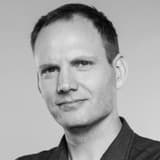 🇭🇺
Bödőcs Tibor
political · satirical
 🇭🇺
Kovács András Péter
Mogács Dániel
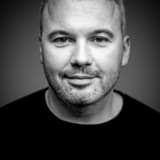 🇭🇺
Dombóvári István
Dombi
observational · everyday life
 🇭🇺
Varga Ferenc József
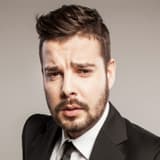 🇭🇺
Kiss Ádám
storytelling · observational
Ráskó Eszter
Rekop György
Al-Gharati Magyed
Lorán Barnabás
 🇭🇺
Aranyosi Peter
Janklovics Peter
 🇭🇺
Bagi Iván
Fábry Sándor
 🇭🇺
Laár András
Elek Péter
 🇭🇺
Dolák-Saly Róbert
 🇭🇺
Hajdú Balázs
 🇭🇺
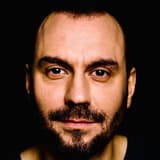
Hajós András
 🇭🇺
Csenki Attila
Badar Sandor
 🇭🇺
Nacsa Olivér
Benk Denes
 🇭🇺
Nagy Bandó András
 🇭🇺
Hadhazi Laszlo
 🇭🇺
Ihos József
 🇭🇺
Kern András
Ágota Dimén
Maczkó Ádám
Beliczai Balazs
Litkai Gergely
Kohalmi Zoltan
Redenczki Marcsi
 🇭🇺
Aranyosi Péter (humorista)
Ayala (előadóművész)
 🇭🇺
Békeffi László
 🇭🇺
Darvas Szilárd
 🇭🇺
Edu Tóth
 🇭🇺
Erdei Sándor (humorista)
Föld S. Péter
 🇭🇺
Galla Miklós
 🇭🇺
Gerő Jenő
Gombó Pál
 🇭🇺
Géza Hofi
 🇭🇺
Hajnóczy Soma
 🇭🇺
Hofi Géza
 🇭🇺
János Komlós
 🇭🇺
Kabos László (színművész, 1923–2004)
 🇭🇺
Kellér Dezső
 🇭🇺
Kibédi Ervin
 🇭🇺
Királyhegyi Pál
 🇭🇺
Kiss Ádám (humorista)
 🇭🇺
Komlós János (humorista)
 🇭🇺
Kállai István
 🇭🇺
Nádas György
Polgár Péter
 🇭🇺
Sas József (színművész)
 🇭🇺
Sinkó Péter
 🇭🇺